OPEN SOURCE - APACHE LICENSE 2.0
Catch exhaustion
before it burns out
your engineers.
An open source tool that looks for signs of overload in
your on-call engineers.


An open source tool that looks for signs of overload in
your on-call engineers.
Objective signals that make the case for change.
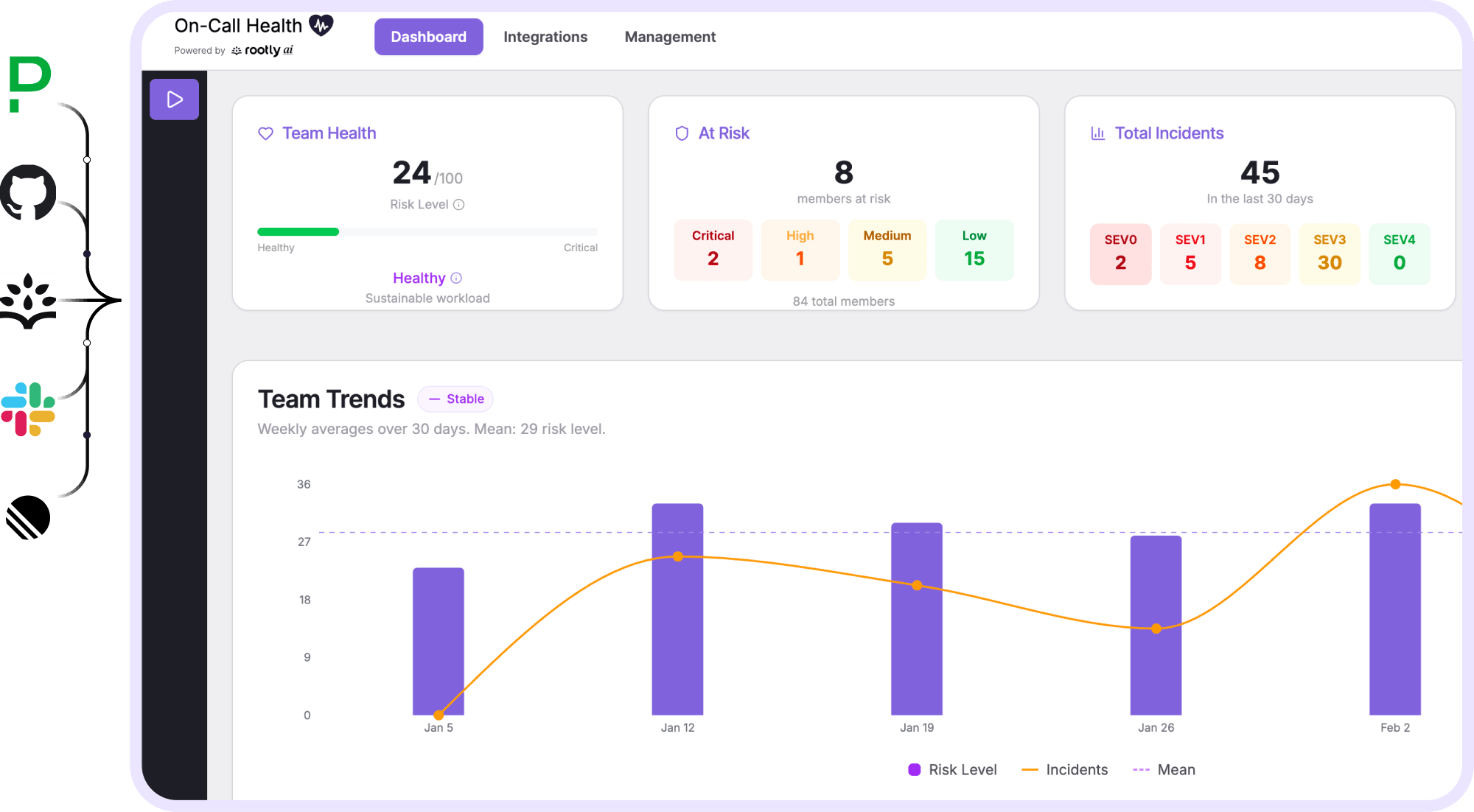
Start with Rootly or PagerDuty for incident data, add Linear for ticket workload, GitHub for after-hours signals, and Slack for communication patterns and context.
Periodically send short surveys in Slack so responders can share how they're doing. Fast, low-friction, and designed to reduce stigma (not create it).
On-Call Health computes individual risk scores from ingested data: 0-24 Maintain balance, 25-49 Monitor risk, 50-74 Early intervention, 75-100 Immediate action.
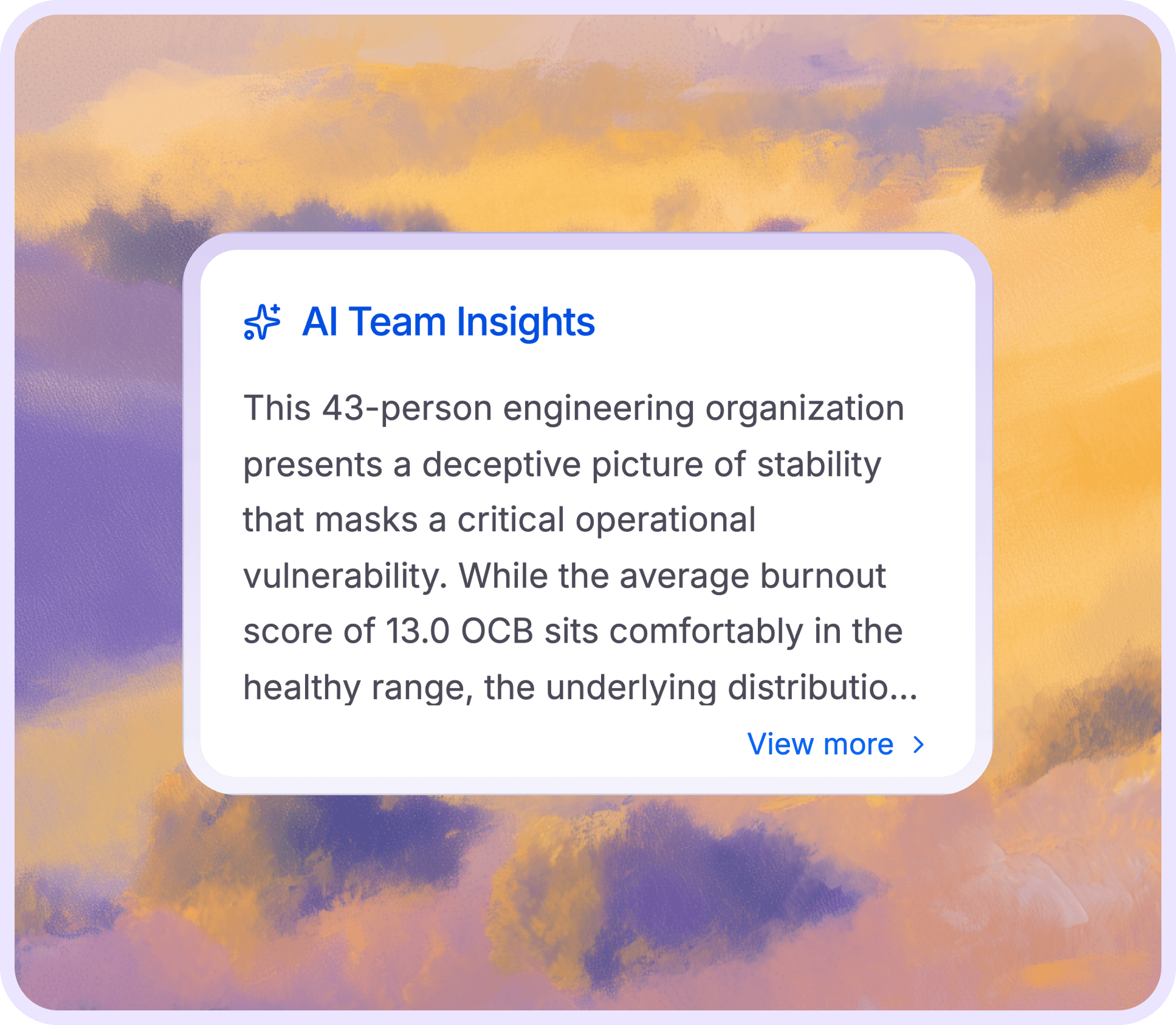
AI analyzes what changed (and what’s driving it) so you can make better, informed decisions to protect your engineers before risk becomes burnout.
Spot trend shifts before burnout becomes reality—so you can intervene while fixes are still small: rebalance rotations, add automation, pause non-urgent work, or staff up.
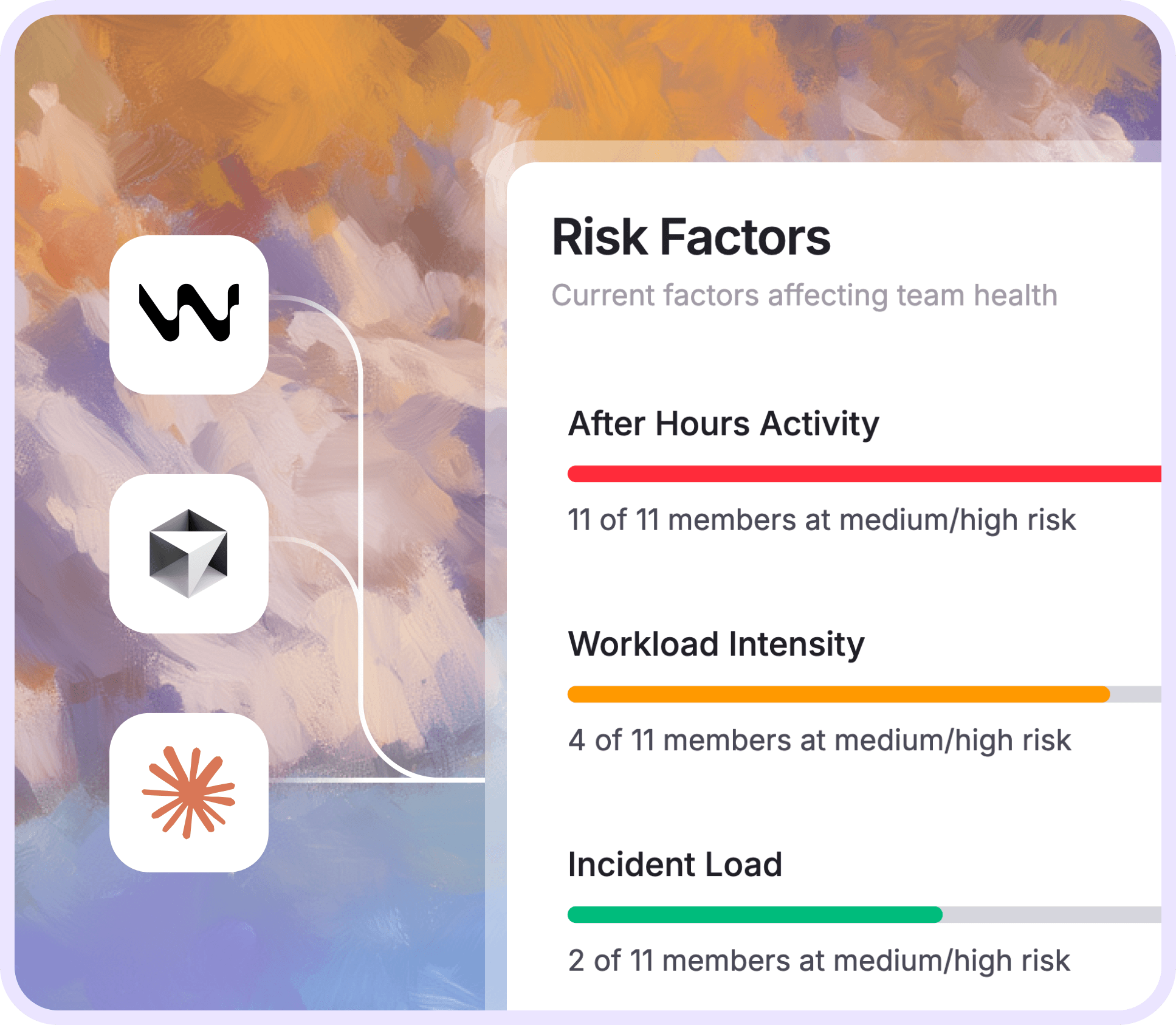
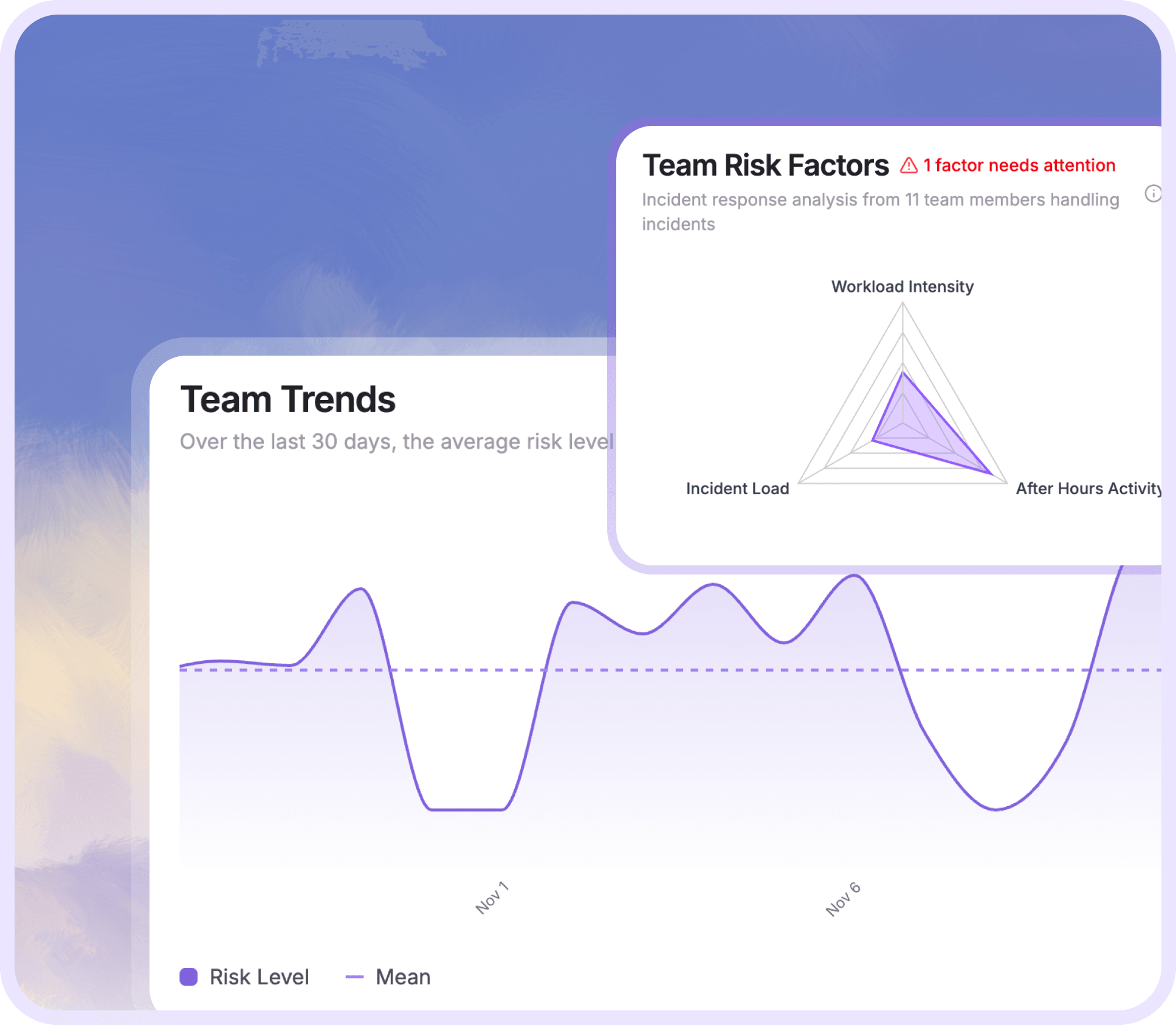
On-Call Health uses team and individual-specific baselines to track trends over time, rather than relying on fixed thresholds or comparing people to each other.
AI summaries help stakeholders quickly get up to speed on trends they may have missed, turning weekly incident reviews into conversations about not just systems, but also the people behind them.